
How to Handle Food Safely and Prevent Contamination

Food safety starts with the choices we make every day, from shopping at which grocery store to preparing, cooking, and storing food at home. By following a few simple food safety steps, you can help protect yourself and your family from foodborne illnesses. The United States has one of the safest food supplies in the world, but harmful bacteria and other germs can still contaminate food and cause food poisoning. Each year, about 48 million people in the U.S. get sick from foodborne illnesses. That is about 1 in 6 Americans. These illnesses lead to an estimated 128,000 hospitalizations and 3,000 deaths annually. The good news is that proper food handling can prevent many foodborne illnesses. Understanding how to clean, separate, cook, and store food safely can help reduce the risk of contamination and keep your family healthy. Know the Symptoms Foodborne illnesses can cause symptoms within 1 to 3 days after eating contaminated food. However, symptoms may appear as soon as 20 minutes after eating or take up to 6 weeks or up to 40 years to develop, depending on the cause and the consequences of the disease. Common symptoms include: Pay attention to how you feel after eating. If you develop symptoms, drink plenty of fluids to help prevent dehydration. Seek medical care if you experience severe symptoms, signs of dehydration, or concerns about your health. Follow the Four Steps to Food Safety You cannot always see, smell, or taste harmful germs in food. That is why it is important to handle food safely every day. Remember these four simple steps: Shopping: Choose Food Carefully Food safety starts at the grocery store. Follow these tips when shopping: Storage: Keep Food Cold Storing food at the right temperature helps slow the growth of harmful german Thawing: Defrost Food Safely Never thaw frozen meat or poultry on the counter. Germs can grow when food stays at room temperature for too long. Instead, use one of these safe methods: Preparation: Keep Your Kitchen Clean Germs can spread from your hands, cutting boards, knives, and countertops to the food your family eats. These steps can help prevent germs from spreading: Recommended Cutting Boards Choosing the right cutting board can help keep your family’s food safe. Over time, cutting boards can develop scratches and cracks where food and germs can collect. These areas can be harder to clean and may allow germs to spread to other foods. A test conducted by Fried and Tested compared 31 cutting boards made from plastic, wood, bamboo, stainless steel, and titanium. The test looked at how well each board held up over time, how easy it was to clean, and whether it released plastic particles or collected bacteria. The TIBO Titanium Cutting Board received the hughes rating in their comparison. What are the Downsides of Different Cutting Boards? *Parent tip: Replace deeply scratched or cracked cutting boards, wash them after each use, and use separate boards for raw meat and ready-to-eat foods. What Should Parents Look For? Choose a cutting board that is easy to clean and made to last. Using separate boards for raw meat and fresh fruits and vegetables can also help prevent germs from spreading. Tried and Tested rated the TIBO Titanium Cutting Board as its top choice. It has one titanium side for raw meat and fish and another side for fruits, vegetables, and bread. Keep in mind that this ranking reflects the publication’s own testing. You can clean any type of cutting board properly to help keep food safe. Keep in mind: Always wash your cutting board after use, keep raw meat separate from other foods, and replace boards that have deep scratches or cracks. These simple steps can help protect your family from foodborne illness. Cooking: Make Sure Food is Fully Cooked Food can look cooked on the outside but still have harmful germs inside. A food thermometer helps you check whether food is cooked enough to eat safely. Use these minimum cooking temperatures: Check the temperature in the thickest part of the food. Do not rely on color or appearance alone to decide whether food is fully cooked. See our cooking temperature chart below for more details. Serving: Keep Food at Safe Temperatures When serving meals at home, parties, or family gatherings, keep food at safe temperatures. Leftovers: Store and Reheat Safely Leftovers can save time and make meal planning easier. Follow these tips to keep them safe: Refreezing: Can You Freeze Food Again? Yes, you can refreeze meat and poultry that thawed in the refrigerator, either before or after cooking. However, the texture and quality may change. If you thaw meat or poultry using cold water or a microwave, cook it before freezing it again. Never refreeze food left at room temperature for too long. Keep Your Family Safe Keeping your family safe from food poisoning does not have to be difficult. Simple habits, like washing your hands, using separate cutting boards, cooking food fully, and putting leftovers away quickly, can make a big difference. By following these food safety steps, you can help protect your family and make your kitchen a safer place to prepare meals. A little extra care in the kitchen can go a long way toward keeping your family healthy!
Developmental Milestones Assessed at Well-child Visits

As your baby grows, you’ll begin to notice patterns in how they learn, move, communicate, and interact with the world around them. These changes are important indicators of your child’s overall health and development. Healthcare providers use these age-based skills and behaviors, known as developmental milestones. Developmental milestones are behavioral and physical skills such as smiling, rolling over, taking first steps, and saying first words that most children achieve as they grow. These milestones are grouped into four key areas of development: Cognitive: Learning, thinking, problem-solving, and memory. Social-Emotional: Interacting with others, expressing emotions, and building relationships. Language and Communication: Understanding language and communicating through sounds, words, gestures, and conversation. Motor Skills: Using muscles to move the body, including gross motor skills (such as sitting, crawling, and walking) and fine motor skills (such as grasping objects, stacking blocks, and drawing). Every child develops at their own pace, but tracking these milestones helps parents and healthcare providers identify strengths, monitor progress, and recognize when a child may benefit from additional support or evaluation. Typical Milestones by Age In this blog, we’ll walk you through some of the key developmental milestones your child may reach as they grow. These age-based behaviors can help you better understand your child’s development and know what to expect at each stage. Keep in mind that every child develops at their own pace. While some children reach milestones a little earlier or later than others, 75% of children achieve these skills by the following ages: 2 Months Social smile, tracks objects with eyes, lifts head, and coos. 4 Months Laughs, holds head steady, and brings objects to the mouth. 6 Months Sits without support, rolls over, and babbles. 12 Months Pulls up to stand, uses simple gestures (like waving bye-bye), and says one or two words. 18 Months Walks well, drinks from a cup, and uses a few single words. 2 Years Throws a ball overhand, speaks in two-word combinations, and engages in parallel play 3-5 Years Pedals a tricycle, copies simple shapes (circles/squares), speaks in full sentences, engages in interactive play, and shares with others. Your Role as the Parent Parents and caregivers play an important role in supporting children as they learn, communicate, and develop new skills. Paying attention to your child’s behavior, responding to their needs, and creating opportunities for play and interaction can help support healthy development. The way parents interact with their children can also influence how children experience and respond to the world around them. Psychologist Eric Berne’s theory of Transactional Analysis describes three ego states, Parent, Adult, and Child, that represent different ways people think, feel, and behave. The Parent ego state reflects attitudes, feelings, and behaviors influenced by our caregivers and childhood experiences. During the early years of life, children are strongly influenced by their parents and caregivers. Before children enter school, the messages they receive at home play an important role in shaping how they see themselves, how they interact with others, and how confident they feel. Once children begin school, teachers and other adults outside the home also influence their social and emotional development. Transactional messages, such as words of encouragement, affection, praise, and reassurance, help support a healthy sense of self in infants and toddlers. These messages should change as children grow to meet their emotional and developmental needs at each stage. To learn more, read “9 Things the Emotionally Attuned Parent Says to Their Child” from Psychology Today. Age-appropriate, positive messages help children build confidence in their abilities and create a strong foundation for healthy emotional and social development. When children consistently feel supported, valued, and encouraged, they are more likely to develop a positive sense of self and feel capable of learning, exploring, and building relationships with others. Why Tracking Developmental Milestones Matters Encouraging and watching your child grow and reach new milestones is exciting, but tracking their development is just as important. Monitoring developmental milestones helps you and your child’s doctor recognize their progress and identify potential developmental delays as early as possible. Early identification allows children to receive evaluations, support, and services that can meaningfully impact their long-term development. While every child develops at their own pace, speak with your pediatrician if your child is missing several age-appropriate milestones or shows developmental “red flags,” such as not walking by 18 months, having little or no speech, losing previously learned skills, or avoiding eye contact. One of the easiest ways to monitor your child’s progress is to use the CDC’s free Milestone Tracker mobile app and Pathways.org, interactive milestone checklists. These tools let you track your child’s development, prepare for well-child visits, and know when it’s time to discuss concerns with your pediatrician. Remember, trusting your instincts as a parent is important. If you ever have concerns about your child’s development, talk with your child’s healthcare provider. https://www.cdc.gov/act-early/milestones/index.html https://www.cdc.gov/act-early/milestones/2-months.html https://www.cdc.gov/act-early/milestones-app/index.html https://www.chop.edu/primary-care/developmental-milestones#whataredevelopmentalmilestones https://thedecisionlab.com/reference-guide/psychology/ego-states https://www.cdc.gov/child-development/positive-parenting-tips/infants.html https://www.cdc.gov/child-development/positive-parenting-tips/toddlers-1-2-years.html https://www.cdc.gov/child-development/positive-parenting-tips/toddlers-2-3-years.html https://pathways.org/ https://www.mayoclinic.org/healthy-lifestyle/infant-and-toddler-health/in-depth/infant-development/art-20048012 https://www.psychologytoday.com/us/blog/childhood-emotional-neglect/202608/9-things-the-emotionally-attuned-parent-says-to-their-child
How to Recognize Bias in the Media
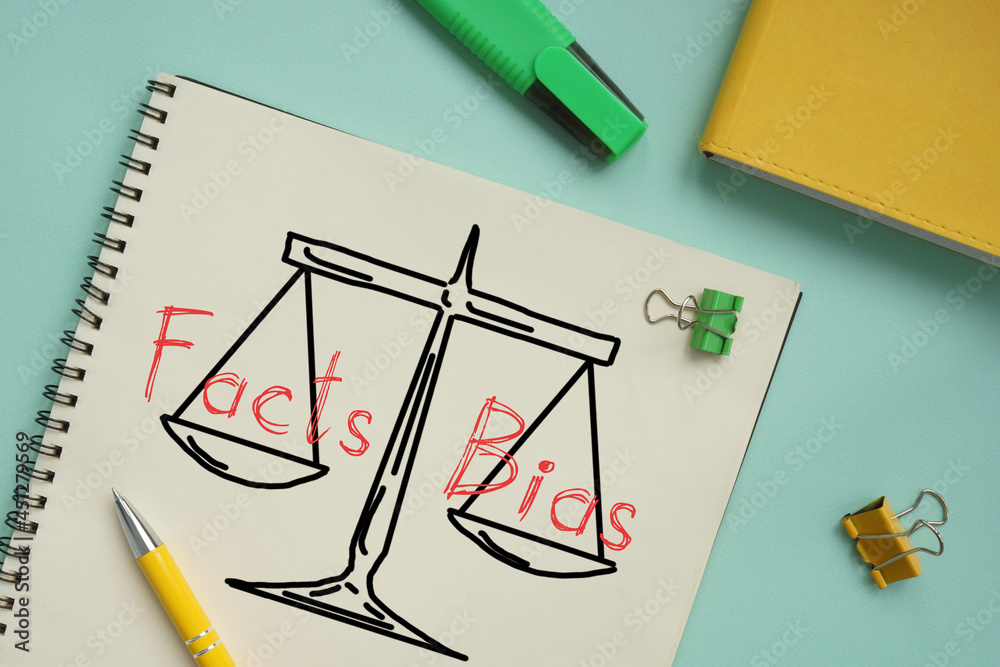
The media is an incredibly powerful tool that shapes many of the narratives we see on current events and issues. What can we do as the audience to make sure we are using unbiased resources when educating ourselves?