
How to Stay Safe and Informed About the Cyclosporiasis Outbreak
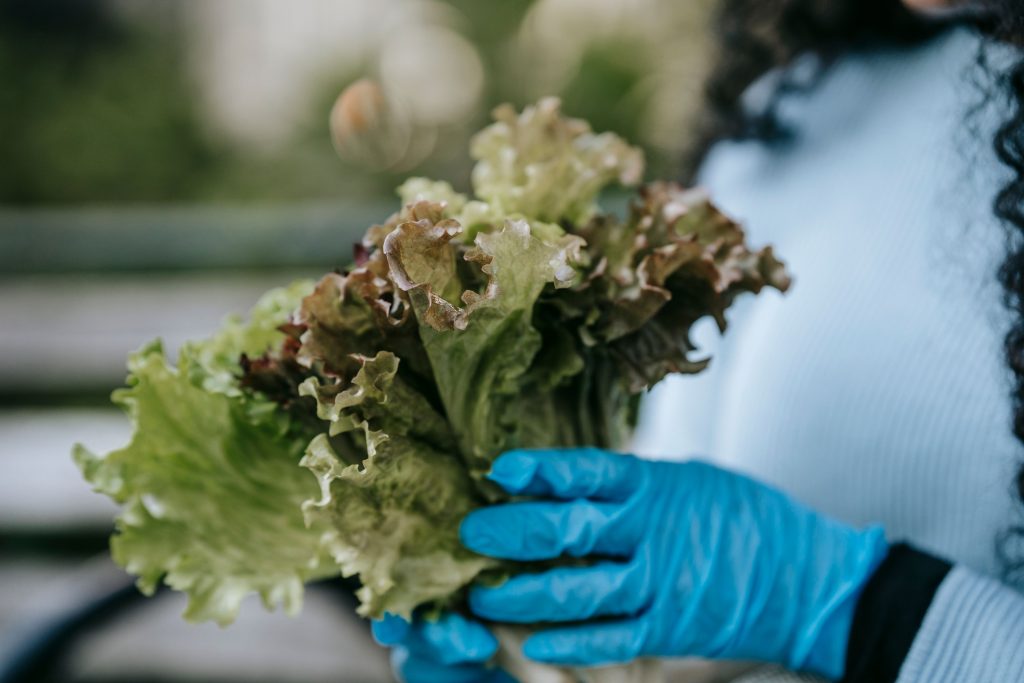
You’ve most likely heard about the recent foodborne illness outbreak, or more notably, the diarrhea-causing Cyclosporiasis outbreak. While there are no known outbreaks in the Bay Area, the CDC reports nearly 20,000 confirmed cases of Cyclosporiasis across 34 states since May 1, 2026. This is certainly underreported. There are over 15,000 additional reported cases that have not yet been confirmed across the nation. Many shoppers, especially families, are understandably concerned about catching the illness and figuring out what to avoid. Here is what we know about the outbreak and how to keep you and your loved ones safe. What is Cyclospora? Cyclospora is a tiny parasite that causes an intestinal illness called Cyclosporiasis. In fact, it is so small that you can only see it through a microscope, but it can cause watery diarrhea, explosive bowel movements, cramping, nausea, fatigue, and other flu-like symptoms. These symptoms can appear as soon as two days or as long as two weeks after you consume food or water with the parasite. Without treatment, these symptoms can last for a few days or even months. How does this illness spread? Cyclospora spreads through the consumption of food or water containing poop, not through person-to-person contact. If you believe you or your child has this illness, schedule an appointment with the doctor as soon as you can. Most people with healthy immune systems will be able to recover. It is important to get adequate rest, drink plenty of fluids, and take any medications as prescribed. What is Causing This Outbreak? As the number of cases rises, the FDA is urgently investigating the cause of this multistate foodborne outbreak. They have identified iceberg lettuce as the culprit, and several Taco Bell locations have been confirmed as a source. So, who is supplying their iceberg lettuce? As of this past Sunday, July 19, the FDA has found no culture-confirmed positive evidence for contaminated samples coming from Taylor Farms de Mexico. This does not mean they are in the clear. Strong associations still implicate them as the source of the outbreak. The investigation for the source continues, but the takeaway is: take extra precautions when handling and preparing fruits, vegetables, and food in general. What to Avoid and How to Stay Safe Practicing good hygiene and food safety is important! Here are some tips to prevent contracting and the spread of Cyclosporiasis. Wash your hands with warm water and soap for at least 20 seconds before handling food. Read more about proper handwashing technique here. Thoroughly wash all raw fruits and vegetables under running water before preparing or eating them. This still applies to already pre-washed fruits and vegetables! Use a clean produce brush to properly scrub fruits and vegetables with a firm surface, such as melons or squashes. Look out for any bruising or damaged areas on your produce, and cut them off. Avoid preparing raw poultry on a wooden cutting board. Use a plastic cutting board instead to avoid the spread of diseases, such as Salmonella. Wash your hands thoroughly after handling raw eggshells, poultry, and meat before touching other surfaces and food. Be sure to cook your produce to a temperature of 158°F (70°C). Washing alone cannot guarantee the elimination of the Cyclosporosis parasite. Finally, properly store in the refrigerator all prepared fruits, vegetables, and food within 2 hours of preparation or cooking. Be sure to avoid all recalled produce and food. Start by checking your fridge and tossing out any fresh produce from Taylor Farms. While they have already issued a recall, this supplier has also sent their produce to Taco Bell and Sysco. Here are fresh produce items that have been linked to past Cyclosporiasis outbreaks that may be helpful to avoid: Basil Cilantro Mesclun lettuce Raspberries Snow peas Pasta In addition to the safe food practices above, health officials also recommend buying whole heads of lettuce, removing two to three outer layers, and washing each leaf of lettuce individually. As of September 14, 2026, there are several active food recalls. To name a few, there is a multistate outbreak of the following: September 2026: The bettergoods Authentic Italian Lemon Alfredo Fettuccine found at Walmart is potentially contaminated with Listeria monocytogenes. September 2026: Multistate Salmonella outbreak linked to broccoli sprouts August 2026: Multistate Salmonella outbreak linked to jalapeño peppers Multistate E. coli and Salmonella outbreak linked to alfalfa sprouts July 2026: Multistate Salmonella outbreak linked to eggshells Quick lesson: How do eggs get infected with Salmonella, and how do antibiotics play a role? Eggs can get infected by Salmonella both internally and externally. Eggs can come into contact with bird feces, but Salmonella can also get inside as the egg forms in the hen before the shell even develops. Because of Salmonella’s ability to contaminate the eggs inside and out, it is important to be on the side of caution and practice proper food safety. The next question is: how do we treat Salmonella? While it is crucial to avoid the unnecessary use of antibiotics in our children, the greatest unnecessary use of antibiotics is in our feedstock. Using antibiotic treatments to eliminate Salmonella has brought on a new trouble for public health: antibiotic-resistant strains of Salmonella. These strains are difficult to treat, as they can survive the medicine used to treat the illness and can cause much more severe illness. Not only that, they still spread just as easily to our children, loved ones, and the public through contaminated food, water, and animals. To reiterate, avoid preparing raw poultry and meat on a wooden cutting board because wood is porous, which may trap and cultivate disease-causing bacteria. Foods that may contain raw or undercooked eggs include: Homemade mayonnaise or aioli Caesar salad dressing Hollandaise sauce Tiramisu Mousse and some custards Homemade ice cream Cookie dough or cake batter Eggs prepared with runny or partially cooked yolks Some homemade eggnog Certain raw-egg sauces and dips Safer alternatives: When a recipe calls for raw or lightly cooked eggs, consider using pasteurized eggs or