
Vaccine Hesitancy
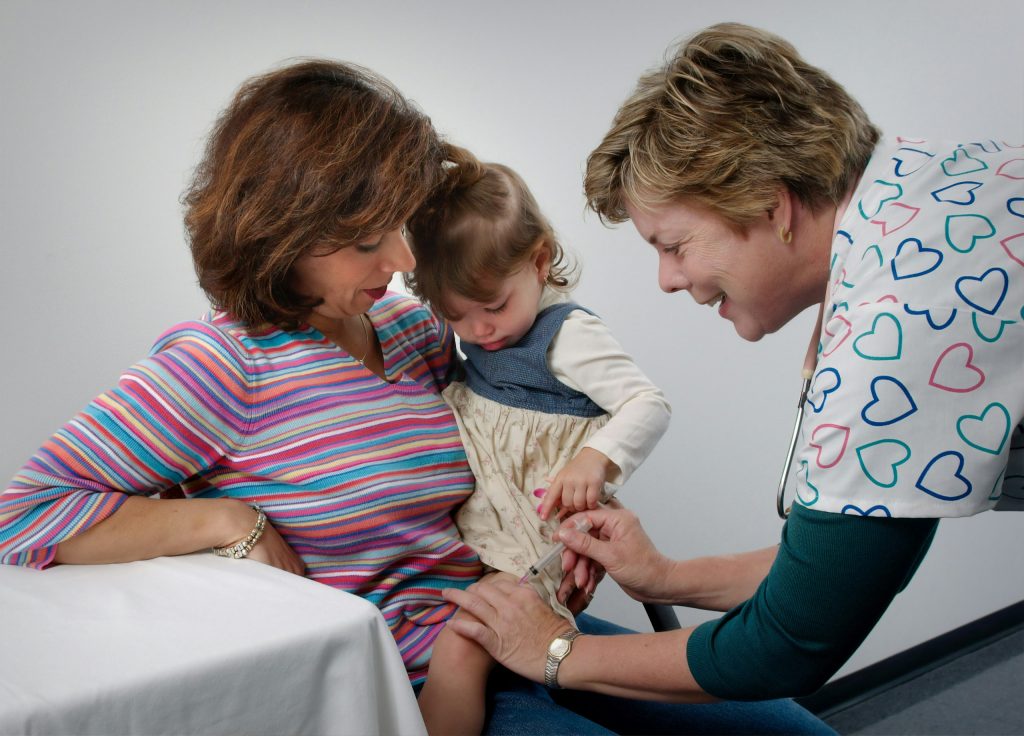
With the rapid spread of disinformation and distrust in science, we understand that there are concerns about vaccines and your child’s health. We are deeply committed to keeping our children healthy, so we have answered common questions about vaccines. We have provided answers in four different communication styles. Choose one that best aligns with your style to stay informed and read scientifically-backed facts about how to protect our children. Analytical Thinking I am a parent who has reason to believe that vaccines may harm my child. How do I know my kids will not develop autism and other health issues as a result of the vaccine? Do vaccines contain ingredients that may harm my child? In 1999, Dr. Brent Taylor and team found no connection between autism and vaccines in a study of 500 children with autism. They found that autism cases had been going up steadily for years. There was no sudden jump in cases after the MMR vaccine came out. They also found that getting the shot did not cause kids to develop autism one or two years later. To address the health concerns that vaccines cause autism, decades of high-quality and valid scientific studies have shown that vaccines do not cause autism, diabetes, fertility issues, developmental delays, or chronic diseases. Mercury, specifically thimerosal, a former ingredient in vaccines, was once thought to cause autism, but no U.S. vaccines have contained mercury or thimerosal for over two decades. Today, experts have come to believe that autism is caused by genetics, external factors during childhood development, or a combination of the two. While the prevalence in 8-year-old children increased from 1 in 36 to 1 in 31 (CDC), this increase is accounted for by changes in how autism is diagnosed, better detection tools, and increased awareness. In the best interest of our children, many scientific studies have proven that vaccines are safe and effective. Ongoing research is being conducted to ensure that advances in vaccines and other ingredients in the shot remain safe and effective. We all believe that kids should be safe and healthy. We can see why you are concerned. We in the health professions are too. You can find more data about this yourself in the resources below. What do vaccines do to and for my child? There seem to be so many! We never want to put our children in harm’s way. Vaccines have proven to be important, and we would never want to give our children something unnecessarily. Let us first explain how vaccines work. In all vaccines, there is an active ingredient called an “antigen,” which is anything that causes our immune system to recognize a particular infectious agent and produce antibodies to neutralize or kill it. These antibodies are our natural defense mechanism. Note: antigens in a vaccine are frequently weakened or killed versions of the disease-causing organism, tiny parts of its exterior surface or genetic material, or a bacterial toxin that has been treated to be non-toxic. Vaccines do not cause full-blown infections in the recipient. Our antibodies target antigens, learning to identify and neutralize them. These antibodies will multiply until there are enough to kill the simulated infection from the vaccine. Eventually, the number of antibodies dwindles, but some stay to keep watch for any future invasions. At this point, we can say that you are now immunized against that specific disease. To address these concerns, we recommend speaking with your child’s pediatrician and reviewing the immunization schedule in detail using the American Academy of Pediatrics’ resources. We want to emphasize that experts have tested each vaccine many times to ensure they are safe and work as intended. These vaccines give your child’s immune system a fighting chance against harmful diseases, including those that are life-threatening or come with unwanted symptoms. Some vaccines even give lifetime protection against the most harmful diseases, such as smallpox, chickenpox, and measles. Additionally, following the immunization schedule allows your child to avoid unnecessary pokes and allows time (i.e., weeks or months) between each poke. The timing of the doses, according to the schedule, is critical to follow because of the following: The schedule ensures that your child receives protection and immunity when their immune system is most vulnerable to a disease and before exposure. Additionally, the timing also makes sure that the immune system can respond well to the vaccines. Our immune systems change as we age and, therefore, may respond differently. Vaccines don’t even work. People still get sick all the time, even if they got the vaccine! Why does this happen? Good question! We hear that you’re concerned about the effectiveness of the vaccine. Refer to question 2 to first understand how vaccines work, but let’s talk about why this is the case. Vaccines do work. According to the CDC, childhood vaccination prevents 3.5-5 million pediatric deaths each year. The WHO also reports that vaccination has contributed to 40% of the drop in infant deaths, and over the past 50 years, essential vaccines against just 14 diseases have saved at least 154 million lives. Vaccinated people can still get infected for a few reasons. First, it takes weeks for immunity protection to form. However, since the vaccine prepares your immune system, you are much less likely to become seriously ill and even die, compared to someone unvaccinated and unprepared for this disease. Secondly, many vaccines require more than one dose to achieve immunity because one dose provides partial protection. Vaccines with live antigens (“live-attenuated vaccines”) typically only need two doses to provide long-lasting protection. An example of a live-attenuated vaccine is the MMR vaccine. On the other hand, vaccines with non-live antigens (“non-live vaccines”) typically need at least three doses to form proper protection that will eventually weaken, requiring booster shots to restore that defense. An example of a non-live vaccine is the DTaP vaccine. Finally, some vaccines are updated periodically because the